Rural motoring is its own discipline. Twenty miles to the nearest supermarket, a school run that crosses two valleys, and a driveway that floods every February. Out here the car isn't a lifestyle choice, it's infrastructure.
That changes the petrol-versus-diesel-versus-electric argument. Most comparisons are written for someone with a short commute, a driveway and a charger on the corner. This one starts from the middle of nowhere, with a long weekly mileage and no realistic way to plug in overnight.
The rural problem with electric cars isn't the car
Electric cars are quiet, quick and mechanically simple. None of that is the issue. The issue is the charging pattern.
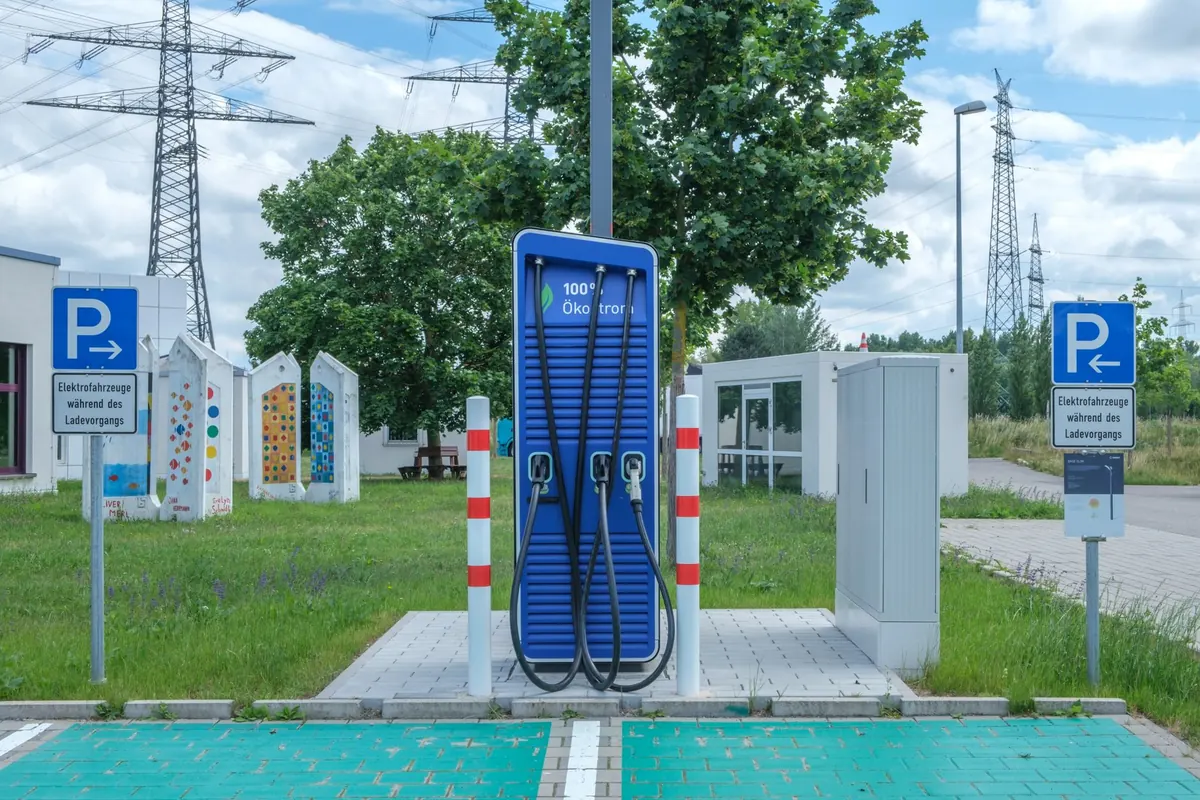
If you can park off-road and run a cable to a home charge point, an electric car is usually the cheapest thing you can drive per mile. If you can't, you're buying electricity at public rapid chargers instead, at rates several times higher than a domestic tariff — and paying for it with 30 to 45 minutes of your life each time. On a busy rural week, that's the whole calculation.
So the honest answer is: the fuel type matters less than where the car sleeps at night.
Working out cost per mile
Petrol and diesel
For liquid fuels, your cost per mile is simply the price per litre divided by miles per litre. A gallon is about 4.55 litres, so a car doing 50 mpg is returning roughly 11 miles to the litre. At £1.50 a litre that's around 13.5p per mile. Swap in your own pump price and your own average mpg; the method matters more than the number.
Diesel usually returns 15–25% better economy than the equivalent petrol on the same route, which is why high-mileage rural drivers have bought it for decades. Its advantage is strongest on steady A-road and motorway running. Hilly lanes, cold starts and short hops between villages narrow the gap, and modern diesels hate repeated short journeys — particulate filters need heat and distance to clear themselves. Long rural runs are actually good for a diesel. A daily two-mile trip to the village shop is not.
Electric
For an EV, cost per mile is your electricity price per kWh divided by your miles per kWh. A typical family EV manages somewhere around three to four miles per kWh in mild weather. Charge at home overnight on a cheap tariff and you're looking at pennies per mile. Use public rapids and the figure can climb to something close to petrol, occasionally worse.
Two rural caveats. Cold weather, hills, headwinds and heater use all cut efficiency, and winter range can drop noticeably. And if you tow a trailer, carry a full load or fit a roof box, consumption rises sharply. Test any EV on your worst journey, not your best.
Servicing and the bits that wear out
- Petrol: oil and filter annually, spark plugs, and cheaper parts generally. Turbocharged small engines still want good oil and proper intervals.
- Diesel: oil and filter, a fuel filter, AdBlue on many modern models, and a timing belt at the recommended interval. Injectors and turbos can be expensive when they go.
- Electric: no oil, no exhaust, no clutch. Brake pads last a long time because regenerative braking does most of the slowing. But tyres wear faster, and services still involve brake fluid, coolant and a cabin filter.
The rural wrinkle is distance to a specialist. If your nearest franchised dealer is 40 miles away, a warranty repair on a complex EV can cost you a day. That's not a reason to avoid one, but it belongs in the sums.
Tax, insurance and the fixed costs
Vehicle tax has shifted. Electric cars lost their exemption and now pay the standard rate, and pricier new EVs can attract the supplement for expensive cars. Rates and thresholds change, so check the current position on gov.uk for the exact model you're considering rather than trusting a forecourt conversation.
Insurance is a mixed picture. EVs are often costlier to repair because of sensors, complex bumpers and battery protection, and that shows up in premiums, though not for every driver or every model. Get real quotes for the specific cars on your shortlist.
One quiet advantage: domestic electricity is taxed at a reduced rate, while public charging normally carries the standard rate. That widens the gap between driveway charging and rapid charging further.
If the car is a company vehicle, the benefit-in-kind picture is very different and heavily favours electric. Diesel company cars can still carry a supplement depending on the engine's emissions standard. Get that confirmed by a qualified accountant before you sign anything.
A five-minute exercise that beats any comparison table
- Log three months of real mileage and fuel receipts, or reset your trip computer and record the average mpg.
- Calculate your current pence per mile with the formula above.
- Check your electricity tariff and ask honestly whether you can charge at home. If not, price the rapids you'd actually use on your regular routes.
- Add annual servicing, tyres and tax for each candidate car, not just the fuel.
- Include one-off costs: a home charge point, or the time and money spent on rapid charging stops.
- Add a winter and towing adjustment. Be pessimistic.
What to do before you decide
Buy on the total cost of running, not the cost per fill. Over a year, the fuel or charging difference between two sensible cars is often smaller than the gap in depreciation, insurance or a single out-of-warranty repair.
If you have off-street parking, predictable journeys and a second car for the long hauls, electric is very likely the cheapest per mile. If you tow, park on the street, or drive long unpredictable days into areas you don't know, a modern diesel still earns its place, with petrol making sense if your annual mileage is modest.
Whatever you choose, borrow or hire one for a week first and drive your normal week in it — the school run, the feed merchant, the Friday night motorway slog. That test tells you more than any spreadsheet.
For tax and company car decisions, take advice from a qualified accountant, and check current rates and rules on gov.uk.
Photo: Reinhard Bruckner / Pexels