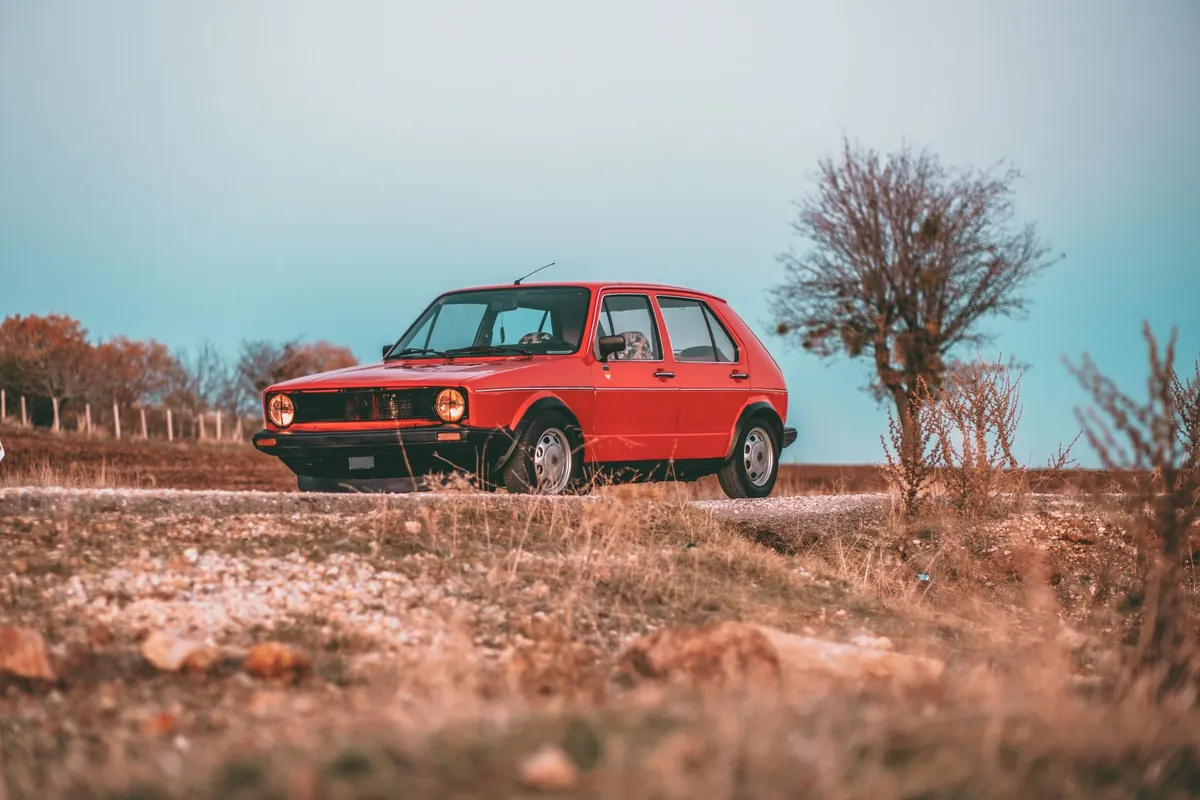
Pick a car for a city and you are choosing something that parks easily and looks smart outside a coffee shop. Pick one for a rural postcode and the priorities invert. On a single-track lane in the Pennines you want torque for the climb out of the valley, sidewalls tall enough to survive a pothole, and a car the garage eleven miles away can fix without ordering parts from abroad. These six used models make sense under £8,000, judged on what they cost to run and how likely they are to keep going.
The budget matters as much as the brief. Under £8,000 you are shopping in the sweet spot where a car is old enough to be cheap but not yet old enough to be a restoration project. Spend the money badly and the penalty is higher than it would be in a city: a breakdown twelve miles from the nearest town is not a minor inconvenience, it is a lost day and a recovery bill.
What rural driving actually asks of a car
A rural car is a working tool as much as a means of transport, so the brief is narrower than you might think.
- Torque from low revs. Hills, trailers and a full boot all want pulling power at 1,500rpm, not a frantic redline.
- Ground clearance and sensible tyres. A 16-inch wheel with a 55 or 60-profile tyre absorbs ruts. Big rims with rubber-band sidewalls do not, and they cost more to replace when a flint cuts one open.
- Mechanical simplicity. Parts availability beats badge appeal. A car your local independent knows inside out is worth more than a rare bargain.
- Comfort and lighting over long distances. Seats that don't cripple you, headlights that can be replaced for sensible money, and enough sound insulation for a 40-mile trip to the shops.
- Five doors and a usable boot. Dogs, wellies, fence posts and the weekly shop.
Two things on that list are often overlooked. The first is cold-start behaviour: a rural car spends winter mornings at minus four on an exposed driveway, so a tired battery, a weak glow-plug circuit or a diesel particulate filter that has only ever done short school runs will find you out. The second is tyre and wheel cost. A set of four 16-inch all-season tyres fitted and balanced for under £400 is a genuine long-term saving; the same job on 18-inch low-profile rubber can double that.
The six contenders
Skoda Octavia Estate
The default answer for good reason. Shared underpinnings with the VW Golf mean parts are everywhere and most independents know the 1.6 TDI diesel and 1.4 TSI petrol well. Four-wheel-drive versions exist and add real traction on wet grass. It swallows luggage, rides rough tarmac comfortably and sips fuel on a long run — a steady 55–60mpg is realistic from the diesel on a B-road commute.
Both the Mk2 and early Mk3 estates fall inside budget: expect £3,000–£4,500 for a tidy Mk2 and £6,000–£8,000 for an early Mk3. Check for clutch and dual-mass flywheel wear on high-mileage diesels, proof of a cambelt and water pump change, and DPF trouble if the previous owner only did short trips. Automatic cars need documented gearbox oil services.
Dacia Duster
The value pick, and the one that shrugs off a farm track. Ride height is generous, tyres are cheap, and the 1.5 dCi diesel pulls strongly from tickover. Four-wheel-drive versions have a lock mode for mud and snow. Interiors are plain and road noise is real, but nothing is precious, which is the point.
Look for corrosion underneath, a documented cambelt change at five years or 72,000 miles, and a healthy clutch. Avoid one that has lived on a building site and never been cleaned. The petrol 1.6 is cheaper to buy and simpler to own if you are not towing, but it needs revs to make progress on hills.
Ford Focus
Still the best-handling car here on a twisting lane, with steering that tells you what the front tyres are doing. The 1.6 TDCi diesel suits long rural runs; the 1.0 EcoBoost petrol is cheaper on shorter trips but uses a belt that runs in oil, so ask for written proof it has been replaced on schedule.
Rear arms, bushes and drop links are consumable at this age, and a Focus that clonks over cattle grids will need them. Parts are cheap and every garage has seen one, which counts for a lot when the nearest dealer is forty minutes away.
Honda Civic
Buy it for the 1.8 i-VTEC petrol and its timing chain, which removes one of the biggest potential bills. It is a revvy engine, so steep hills mean more gear changes than a torquey diesel, but it is tough and long-lived. Cabin quality is good and mechanical failures are rare.
Check the history carefully, look for corrosion on older examples and budget for suspension bushes. A neglected Civic is a false economy; a cared-for one will run for years. Rear brake calipers are another known weak point on cars that sit for weeks between journeys.
Suzuki SX4 S-Cross
The quiet overachiever of the group. Higher than a hatchback, lighter than a crossover, and available with Allgrip four-wheel drive that will get you up a damp track without drama. The 1.6 petrol has a timing chain and returns decent economy, and the 1.6 DDiS diesel is frugal if you cover big miles.
Running costs are among the lowest here: cheap tyres, cheap servicing, and insurance groups that sting less than you would expect. The trade-off is a small boot by estate standards and a thinner dealer network, so check that your local garage is happy to source parts before you commit.
Toyota Auris
Choose the hybrid if you want the least stressful ownership experience in this list. There is no clutch, no turbo and no belt-driven cambelt to worry about, and the electric motor fills in the low-speed pull that makes hill starts feel calm. Early examples now sit comfortably below £8,000.
The catch is noise: ask for a hard climb and the petrol engine revs hard while the CVT keeps it there. Drive one on a real hill before deciding. Otherwise it is a hard car to fault, and the hybrid system has a long record of quietly exceeding 150,000 miles.
How the six compare on the things that matter
- Best for towing and long commutes: Skoda Octavia Estate or Ford Focus diesel.
- Best for tracks, mud and winter: Dacia Duster 4x4, with the Suzuki S-Cross Allgrip close behind.
- Lowest running costs: Toyota Auris Hybrid and Suzuki SX4 S-Cross.
- Cheapest to repair when things go wrong: Ford Focus and Skoda Octavia.
- Most likely to still be going at 200,000 miles: Honda Civic and Toyota Auris.
“Half the cars I see with rural registrations fail on things a town car never touches — corroded brake lines, seized rear calipers and suspension that has taken ten years of potholes. The engine is usually the least of it.” — an independent garage owner in Cumbria
What to check before you buy
Rural cars age differently from city cars, so the inspection should differ too. Work through this in order.
- Look underneath first. Mud-trapped corrosion around sills, subframes and brake pipes is the single most expensive rural problem.
- Drive it on a rough road, not a smooth one. Clonks, knocks and steering shimmy show up over broken tarmac.
- Test it cold. Insist the engine is stone cold when you arrive. Warm starting hides glow-plug, injector and battery faults.
- Check the DPF and EGR history on any diesel. Ask what kind of journeys the previous owner did.
- Confirm cambelt or chain status in writing. Receipts, not reassurances.
- Check tyre matching and tread depth across all four. Mismatched budgets suggest a owner who cut corners elsewhere.
- Verify the service book against the mileage. Long gaps are common on rural cars and often harmless — but you need to know why.
Budgeting beyond the purchase price
Whatever you spend on the car, keep £800 to £1,200 in reserve. On a £6,000 rural runabout that money typically goes on a full set of tyres, a battery, brake discs and pads, and one suspension job. Add a spare wheel if the car only came with a puncture repair kit — a foam canister is no use on a verge eight miles from anywhere.
Also price the consumables before you buy: tyres, wipers, headlight bulbs and a service kit. If those numbers look uncomfortable, the car is wrong for you regardless of how well it drives.
The verdict
If you want one answer, buy the Octavia Estate diesel and keep £1,000 aside for maintenance. If your lane is genuinely rough, the Duster 4x4 buys more capability per pound than anything else here. If you want the least drama over the longest period, the Auris Hybrid is the safest bet. The Focus is the driver's choice and the Civic the connoisseur's, but both reward careful buying more than the others. Above all, buy on condition and history rather than badge — at this price, a well-documented 120,000-mile car beats a neglected 70,000-mile one every time.
Photo: Berkay AK / Pexels